

I’ve worked behind the counter of an independent liquor store for a little over ten years, long enough to see how a simple search for a liquor store near me can mean very different things depending on who’s typing it. Sometimes it’s a neighbor who forgot a bottle of wine for dinner. Other times it’s someone chasing a specific bourbon they’ve been hunting for months. My job has always been to read between those lines and steer people toward a better decision than the one they walked in with.
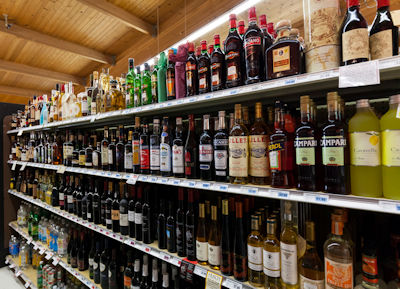
Early on, I learned that convenience brings people through the door, but knowledge is what keeps them coming back. I still remember a customer who rushed in one Friday evening asking for “whatever tequila is popular right now.” After a short conversation, it turned out he hated harsh spirits and just wanted something smooth for margaritas. I poured him a small taste of a mid-shelf blanco we trusted, and he came back the next week to thank us. That interaction took three minutes, but it’s the kind of moment you’ll never get from a shelf label alone.
One of the biggest mistakes I see is assuming all liquor stores are the same. They’re not. Some shops are built around volume and speed, which works if you know exactly what you want. Others are built around selection and staff experience. I’ve watched customers overpay because they assumed a higher price meant better quality, only to discover later they could have spent less and enjoyed the bottle more. Price tags don’t tell the full story—context does.
Last winter, a regular stopped by looking for a gift. He’d Googled nearby stores and visited three before reaching us, each one telling him the bottle he wanted was “impossible to find.” We happened to have one left, not because we were hoarding it, but because we didn’t flip it the moment it arrived. That’s another detail most people don’t see: some stores treat rare bottles like quick wins, while others hold them for customers who actually plan to open them.
I’ve also learned to warn people away from chasing trends blindly. Every year, there’s a new spirit everyone thinks they need. I’ve seen shelves full of last year’s “must-have” bottles gathering dust. A good liquor store doesn’t just sell what’s hot; it helps you understand whether it fits your taste. I’ve told customers not to buy bottles that were wildly popular because I knew they’d be disappointed once the novelty wore off.
If you’re standing in a store and the staff can’t answer basic questions—or worse, pushes the most expensive option without listening—that’s usually a sign to leave. The best shops ask what you’re drinking, who you’re drinking with, and how you plan to use the bottle. Those questions come from experience, not scripts.
After a decade in this business, I’ve seen thousands of transactions, but the memorable ones are always the same type. Someone walks in searching nearby out of convenience and walks out feeling understood. That’s what separates a liquor store from just another place that sells alcohol, and it’s why the right one is worth finding close to home.