

In today’s digital age, having a strong online presence is essential for businesses, especially those serving local markets. This is where a local SEO expert becomes invaluable. A local seo expert specializes in optimizing a business’s online visibility in local search results, ensuring potential customers in the area can find the business easily. Whether you own a small shop or a service-based company, working with a local SEO expert can dramatically improve your reach and attract more clients from your community.

A local SEO expert focuses on strategies tailored to local search behavior, understanding how consumers use search engines to find nearby products and services. Unlike general SEO, local SEO requires an in-depth knowledge of location-specific algorithms, local keywords, and customer intent in a specific geographic area. By leveraging this expertise, a local SEO expert can help businesses appear in local search features such as Google My Business listings, local packs, and map results, which are crucial for driving foot traffic and local inquiries.
One of the primary roles of a local SEO expert is optimizing Google My Business profiles. This free tool is a critical component of local SEO and can significantly influence local search rankings. A local SEO expert ensures that the business’s profile is fully optimized with accurate contact information, business hours, high-quality images, and relevant categories. This optimization not only increases visibility but also builds trust with potential customers. Furthermore, a local SEO expert can manage reviews and respond to customer feedback, enhancing the business’s online reputation.
Content creation is another area where a local SEO expert shines. Local SEO experts understand the importance of producing content that resonates with local audiences and incorporates localized keywords naturally. Whether it’s blog posts about local events, service pages targeting neighborhood names, or community-focused news, a local SEO expert crafts content that boosts local relevance and improves search engine rankings. Consistent and relevant content helps establish authority in the local market, making a business the go-to option for customers nearby.
A local SEO expert also specializes in citation building, which means getting the business listed on various local directories and websites. These citations help search engines verify the legitimacy and presence of a business in a specific location. A local SEO expert ensures that all citations have consistent and accurate information, avoiding discrepancies that can harm search rankings. Additionally, these citations increase the chances of the business appearing in local searches beyond Google, such as Bing, Yelp, or Apple Maps.
Technical optimization is another crucial aspect handled by a local SEO expert. This includes ensuring that the website is mobile-friendly, loads quickly, and is easy to navigate. Local customers often use mobile devices to search for nearby businesses, so a local SEO expert makes sure the website provides a seamless experience across all devices. They also optimize the site’s structure and metadata with localized keywords, helping search engines understand the geographic focus of the business.
Tracking and analytics play a significant role in the work of a local SEO expert. By using tools like Google Analytics and Google Search Console, a local SEO expert monitors traffic, user behavior, and keyword performance. This data-driven approach allows the expert to refine strategies continually and focus efforts on what drives the best results. Regular reporting ensures that business owners understand how local SEO efforts are impacting their visibility and customer acquisition.
For businesses looking to outperform competitors in their area, hiring a local SEO expert is a smart investment. Unlike general marketing tactics, local SEO is highly targeted and cost-effective, often delivering better return on investment. A local SEO expert tailors campaigns to the specific needs and opportunities of the local market, using proven techniques to generate qualified leads and increase sales.
In conclusion, a local SEO expert is essential for businesses aiming to thrive in their local communities. From optimizing Google My Business listings to creating localized content, building citations, and enhancing technical SEO, a local SEO expert covers all bases to improve online visibility. Their specialized knowledge of local search algorithms and consumer behavior ensures that businesses not only attract more local customers but also build lasting relationships within their community. Investing in a local SEO expert means investing in the long-term growth and success of a business in the digital landscape.
For business class travelers, comfort, efficiency, and reliability are essential when arranging transportation to and from the airport. Boston, a bustling hub of commerce and innovation, demands a transportation service that matches the high standards of its professional visitors. Airport car service in Boston for business class travelers is designed to meet these exacting needs, offering an unparalleled travel experience that goes beyond mere convenience.
When it comes to airport car service in Boston for business class travelers, the focus is on seamless and stress-free transfers. The hustle of navigating traffic or hunting for parking is completely eliminated, allowing travelers to focus on their work or relax before the flight. These services specialize in punctual pickups and drop-offs, ensuring that business travelers never miss a crucial meeting or flight. The professionalism of drivers and the quality of vehicles are key factors that distinguish a superior airport car service in Boston for business class travelers.
Boston’s Logan International Airport is a major gateway for business travelers, serving countless executives, entrepreneurs, and consultants every day. Airport car service in Boston for business class travelers often includes well-trained chauffeurs who understand the importance of discretion and professionalism. The ability to provide a quiet and private environment during the ride is a significant advantage for those who need to prepare for meetings, make phone calls, or simply unwind. This level of service caters perfectly to the unique needs of business class travelers.
In addition to punctuality and professionalism, comfort is a top priority for airport car service in Boston for business class travelers. Luxury vehicles equipped with premium amenities create a serene atmosphere for passengers. Whether it’s leather seating, climate control, or onboard Wi-Fi, these features enhance the travel experience. For business class travelers, every minute counts, and being able to continue working or relaxing in a comfortable environment en route to the airport or their destination is invaluable.
Another benefit of airport car service in Boston for business class travelers is the flexibility and customization offered. Schedules can be adjusted to suit last-minute changes, and special requests are always accommodated. Whether a traveler needs a spacious SUV for a group or a sleek sedan for solo trips, the service can adapt accordingly. This level of customization ensures that every business class traveler receives a tailored experience that meets their individual requirements.
Safety is a critical concern for business class travelers using airport car service in Boston. Reputable companies conduct thorough background checks and regular training for their drivers to guarantee safe and secure journeys. The vehicles are also meticulously maintained and equipped with the latest safety technology. Knowing that their transportation is safe and reliable allows business class travelers to focus entirely on their work, confident that their travel needs are in expert hands.
Moreover, airport car service in Boston for business class travelers offers an exceptional level of convenience with easy booking processes. Many companies provide user-friendly websites or apps where travelers can schedule rides quickly and effortlessly. This streamlined process is particularly important for business class travelers who often have packed schedules and require efficient service without unnecessary delays. Instant confirmation and real-time updates are common features that enhance the overall experience.
Business class travelers also benefit from the local expertise of airport car service in Boston providers. Experienced chauffeurs know the best routes and can avoid traffic hotspots, ensuring timely arrivals even during rush hours. This local knowledge is a valuable asset for travelers unfamiliar with the city, removing any worries about delays or getting lost. The ability to rely on such expertise reinforces the appeal of airport car service in Boston for business class travelers.
Additionally, many airport car service companies in Boston offer corporate accounts or loyalty programs specifically designed for business class travelers. These programs provide added value through discounted rates, priority service, and personalized support. Establishing a business relationship with a trusted airport car service in Boston can lead to consistent, reliable transportation solutions that simplify travel management for companies and their executives.
In the competitive world of business, first impressions matter. Arriving at the airport or client meetings in a high-end, well-maintained vehicle reflects professionalism and success. Airport car service in Boston for business class travelers helps individuals and companies project this image effortlessly. Beyond transportation, it becomes an extension of the traveler’s brand, signaling attention to detail and a commitment to excellence.
In conclusion, airport car service in Boston for business class travelers offers a premium transportation experience that prioritizes punctuality, comfort, safety, and professionalism. From personalized service and luxury vehicles to expert drivers and flexible scheduling, these services are designed to meet the sophisticated needs of business professionals. For anyone traveling to or from Boston’s airports, choosing the right airport car service enhances the journey and ensures a smooth transition between ground and air travel.
In recent years, the beauty industry has witnessed a significant rise in semi-permanent makeup techniques, and one of the most sought-after treatments is lip blushing. If you’re looking to enhance your lips with a natural, long-lasting tint, lip blushing services near Scottsdale offer an excellent solution. This innovative cosmetic procedure adds subtle color and definition to your lips, giving them a youthful and fuller appearance without the need for daily lipstick application.
Lip blushing services near Scottsdale are gaining popularity due to their ability to create a soft, natural look that enhances your lips’ natural contours and pigmentation. Unlike traditional permanent makeup, lip blushing uses advanced pigment technology to deposit color gently into the lips, resulting in a fresh and vibrant look that fades gradually over time. Whether you want to correct uneven lip tone, add a hint of color, or simply boost your confidence, these services provide a customizable approach tailored to your unique preferences.
One of the primary reasons clients seek out lip blushing services near Scottsdale is the convenience and time-saving benefits it offers. Imagine waking up every morning with perfectly tinted lips, eliminating the hassle of reapplying lipstick throughout the day. This semi-permanent treatment can last anywhere from one to three years depending on your skin type, lifestyle, and aftercare, making it a worthwhile investment for anyone wanting low-maintenance beauty solutions. Additionally, the procedure enhances the lips without the discomfort or risks associated with more invasive cosmetic treatments.
When considering lip blushing services near Scottsdale, it is essential to choose a reputable and skilled technician who prioritizes hygiene and safety. Professional artists use sterile equipment and high-quality pigments that are FDA-approved to ensure the best results and minimize any potential side effects. During the consultation, the technician will assess your lip shape, skin tone, and personal preferences to design a look that complements your overall appearance. The personalized nature of these services means that your lips will look natural, vibrant, and tailored specifically to you.
Many clients who have experienced lip blushing services near Scottsdale report an immediate boost in confidence and satisfaction with their enhanced lips. The subtle tint not only improves the overall shape and color but also helps to camouflage imperfections such as scars or discoloration. Moreover, this procedure can create the illusion of fuller lips without the need for fillers or injections, which some may find invasive or uncomfortable. With lip blushing, you can achieve a natural, youthful glow that highlights your best features effortlessly.
The procedure for lip blushing services near Scottsdale typically involves a detailed preparation phase, followed by the application of pigment using a specialized tattoo machine or manual tool. The technician carefully layers the color to create a soft blush effect, which enhances your lips’ natural shade. The process usually takes about two hours, including numbing time, and the results are visible immediately, although the color will intensify slightly during the healing period. It’s important to follow aftercare instructions provided by the technician to ensure optimal healing and longevity of the tint.
Another significant advantage of lip blushing services near Scottsdale is the ability to customize the shade to match your style and personality. Whether you prefer a subtle pink tint, a peachy nude, or a more pronounced berry hue, skilled artists can mix pigments to achieve your desired look. This flexibility allows you to express your individuality while enhancing your natural beauty. Additionally, if you desire a bolder lip or want to add more definition, touch-up sessions can be scheduled to maintain or adjust the color over time.
For residents and visitors in the Scottsdale area, numerous salons and beauty studios offer lip blushing services near Scottsdale, catering to a wide range of budgets and preferences. Many establishments also provide consultations to educate clients about the procedure, expected results, and aftercare tips. Taking the time to research and read reviews can help you find a trusted provider who delivers outstanding results and ensures a comfortable experience from start to finish.
In conclusion, lip blushing services near Scottsdale present an excellent option for anyone seeking a semi-permanent, natural enhancement to their lips. With benefits ranging from time-saving convenience to a boost in confidence and subtle beauty enhancement, this procedure has transformed the way many approach lip makeup. By selecting a professional technician who understands your vision and uses safe, high-quality pigments, you can enjoy beautiful, vibrant lips that enhance your natural features for years to come. If you’re ready to wake up with effortlessly stunning lips every day, exploring lip blushing services near Scottsdale might just be the beauty upgrade you need.
In the realm of luxury watches, Rolex stands as an icon of craftsmanship, prestige, and timeless design. Known for its impeccable quality and status symbol, a genuine Rolex watch is often considered an investment, with prices reaching tens of thousands of dollars. However, not everyone can afford the hefty price tag, and this is where the concept of a Rolex Super Clone comes into play. A Rolex Super Clone refers to a high-quality replica of a genuine Rolex watch, crafted with remarkable attention to detail, often resembling the original in every way imaginable, from design to functionality. These super clones have grown in popularity due to their affordability, making them an attractive alternative for watch enthusiasts and collectors who want the luxury without the cost.
The Rolex Super Clone is not just any ordinary replica. These watches are engineered to mimic the original Rolex with an incredible degree of precision, often using the same materials and techniques found in authentic timepieces. The goal is not just to replicate the appearance but also the overall experience, including the feel of the watch on the wrist, its weight, and its movement. Unlike mass-market replicas, which often fall short in terms of quality, a Rolex Super Clone is crafted with such attention to detail that it can be difficult for even experts to differentiate it from a genuine Rolex. This level of craftsmanship is a major selling point for many collectors and watch enthusiasts who want the prestige of wearing a Rolex without the financial burden.
One of the key reasons why Rolex Super Clones have become so popular is the availability of advanced technology and materials that make these replicas nearly indistinguishable from the real thing. These super clones often use high-grade stainless steel, sapphire crystal, and high-quality movements that mirror the precision of Rolex’s own Swiss-made movements. The attention to detail extends to the watch’s face, where the dials, fonts, and logos are meticulously crafted to match the original design. Some Rolex Super Clones even feature ceramic bezels, like those found on modern Rolex models, further adding to the authenticity of the timepiece.
While Rolex Super Clones offer incredible value for the price, they are not without controversy. The sale and purchase of counterfeit goods, including Rolex Super Clones, are illegal in many countries, as they violate trademark laws and intellectual property rights. Despite this, the market for high-quality replicas continues to thrive, fueled by the desire for luxury without the hefty price tag. Some people view Rolex Super Clones as a more accessible way to enjoy the world of high-end watches, while others argue that the act of buying or selling such replicas undermines the craftsmanship and reputation of genuine luxury brands. The debate surrounding replicas is further complicated by the increasing quality of these watches, which makes it harder to distinguish between the real and the fake.
The production of Rolex Super Clones is primarily centered in regions where watchmaking has a long history, such as Hong Kong and China. In these areas, skilled craftsmen and manufacturers produce high-quality replicas that rival the originals in terms of both aesthetics and function. These manufacturers often use Swiss movements in their replicas, further enhancing their precision and reliability. The rise of online marketplaces has made these watches more accessible to a global audience, with many buyers opting for the convenience of purchasing Rolex Super Clones directly from manufacturers or through third-party sellers.
One of the most appealing aspects of a Rolex Super Clone is its price point. While genuine Rolex watches can cost anywhere from $5,000 to upwards of $100,000, a high-quality super clone can often be found for a fraction of that price. This makes it possible for watch enthusiasts to own a Rolex-style timepiece without spending a fortune. However, the affordability of these replicas does not mean they lack quality. In fact, some Rolex Super Clones are crafted to such a high standard that they can last for years, offering exceptional durability and functionality. The lower price point also makes them an attractive option for those who want to experience the world of luxury watches without making a significant financial commitment.
Despite the advantages, Rolex Super Clones do have limitations compared to their genuine counterparts. While they may resemble the original Rolex in appearance and functionality, they typically do not have the same level of prestige or value retention. Genuine Rolex watches, due to their craftsmanship and brand reputation, often increase in value over time, making them a desirable investment. Super clones, on the other hand, do not hold the same investment potential, as they are not officially recognized by Rolex and cannot be resold for a profit. Additionally, since they are not made by the original brand, super clones often lack the same long-term durability and craftsmanship that come with a genuine Rolex.
For those who appreciate the allure of luxury watches but cannot justify the cost of an authentic Rolex, a Rolex Super Clone offers a tempting alternative. It provides the aesthetic appeal and sophistication of a genuine Rolex, with a far more accessible price tag. However, it is important for potential buyers to consider the ethical and legal implications of purchasing a super clone. While these watches may offer significant value for the money, they are not without their controversies, especially regarding intellectual property rights and counterfeiting.
In conclusion, Rolex Super Clones represent a fascinating aspect of the luxury watch market, offering high-quality replicas of one of the world’s most prestigious watch brands. While they cannot match the exact craftsmanship or investment potential of a genuine Rolex, they provide an affordable and aesthetically pleasing alternative for watch enthusiasts. As the demand for these super clones continues to rise, it will be interesting to see how the market evolves and how luxury watch brands, including Rolex, respond to the growing popularity of high-end replicas.

Most people assume the photo they see on the back of the camera is the photo they'll get. It isn't. What appears on that small screen is a compressed preview the camera generates on the fly, a rough interpretation of a much larger data file that hasn't been developed yet. The gap between that preview and the finished portrait is where a surprising amount of skilled work happens, and almost none of it is visible to the person being photographed.

What the camera actually records before anyone edits
A professional camera set to shoot raw does not save a picture in the ordinary sense. It saves the readings from millions of sensor sites, each recording how much light of roughly one color hit it. That collection of numbers has no fixed brightness, contrast, or even final color balance baked in. Those are decisions made later.
This is why a raw file looks flat and slightly dull when first opened. It's holding far more information than a screen can display at once, especially in the brightest highlights and deepest shadows. A well-exposed raw file might contain detail in a white collar and a dark suit simultaneously, detail that a quick phone snapshot would have thrown away permanently. Keeping that latitude is the whole reason to shoot this way.
How color gets calibrated so skin tones stay true across screens
Color is the part clients notice most and understand least. The trouble is that no two screens agree on what a given number means. A shade of warm beige that looks natural on a calibrated studio monitor can drift pink on a laptop and turn sallow on a phone set to a cool display mode.
To keep skin looking like skin, the editing process leans on color management. The monitor used for retouching is profiled with a hardware device so it displays known values accurately, and the files themselves carry an embedded color profile that tells other devices how to interpret them. A neutral gray or color reference captured during the session gives a fixed anchor to correct against, so a person's complexion reads consistently rather than shifting with whatever white balance the room lighting suggested.
Where retouching stops and manipulation begins
Retouching on a headshot is meant to remove the temporary and the distracting, not to rebuild the face. A stray hair, a shirt wrinkle, a blemish that will be gone in a week, a bit of shine on the forehead, a fleck of lint on a lapel, these are fair to clean up because they don't represent who the person actually is.
The line gets crossed when editing changes identity: reshaping a jaw, erasing permanent features, slimming a body, smoothing skin into plastic. A good retoucher works with restraint, keeping pore texture and natural asymmetry intact so the image still looks like a photograph rather than an illustration. The goal is that the subject recognizes themselves on a good day, not a stranger.
Choosing file formats and sizes for print, web, and corporate systems
Once the edit is locked, one master image usually spawns several deliverables. A high-resolution TIFF or a maximum-quality JPEG serves print and archival use, holding enough pixels for a magazine page or a large banner. Web and social versions are sized down and compressed so they load quickly without visible artifacts, and they're often cropped to the shapes different platforms demand.
Corporate clients add their own requirements. Directory software and HR systems frequently ask for a specific pixel dimension, a square crop, or a file under a certain size, and a photographer handling corporate team headshots arizona will typically prepare a matched set so every employee's image drops into the same template without anyone having to resize files by hand. Consistent framing and background across a whole team depends on this final formatting step as much as on the shoot itself.
Getting the images to the client and keeping them archived
Delivery today is almost always a secure online gallery or download link rather than a disc. From there the client picks selects, and the final files arrive in whatever formats were agreed. Behind the scenes, the photographer keeps the raw originals and layered master edits on backed-up storage, so a reprint or a new crop years later doesn't require a reshoot.
That archive is only useful if it's maintained. Verify your backups periodically, keep at least one copy somewhere separate from your working drive, and confirm you can still open the files as formats and software evolve. A portrait is an asset, and like any asset it survives only as long as someone bothers to look after it.
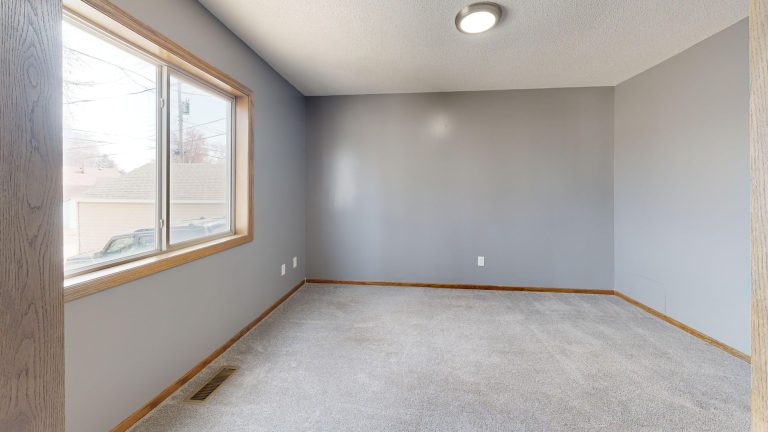
The gap between what a buyer imagined and what they actually got usually reveals itself on a single afternoon: the day the moving truck backs into the driveway. That is when a sofa refuses to clear a doorway, a bedroom that looked spacious in the listing swallows a queen bed and leaves no room to walk, and a homeowner stands in the hallway wondering whether they misjudged the whole place. The consequence comes fast. Understanding why it happens takes a little more stepping back.
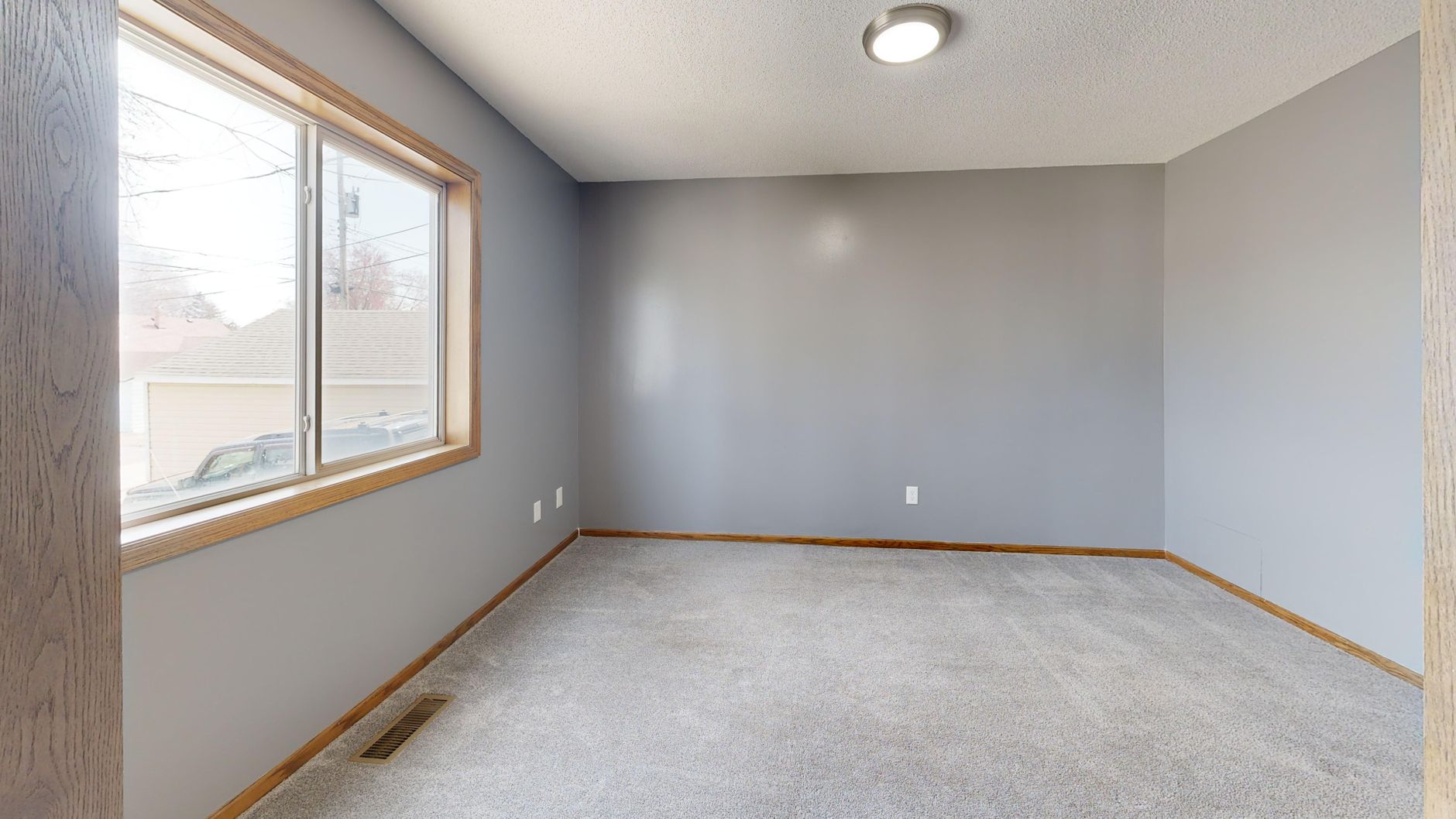
Empty-room photos are seductive because they hide almost everything a buyer needs to know about how a home performs. A bare floor stretches wide. Light bounces off nothing. There is no context for scale, no clutter to trip over, no reminder that furniture, lamps, storage, and daily life all have to fit somewhere. Buying on that alone means buying a promise the pictures never actually made.
What happens the first time you walk in with a moving truck
The keys are yours, the movers are on the clock, and reality arrives in cardboard. This is often the first moment a buyer sees the home occupied by anything at all. Doorways get measured with a shoulder and a grunt. A dining set that seemed modest sprawls across a room that photographed as generous. The excitement is real, but so is the recalculation happening in the back of your mind as box after box competes for space that looked infinite when it was empty.
The rooms that feel smaller than the listing promised
Wide-angle lenses do quiet work. A room shot from the corner with a wide lens can appear a third larger than it lives. Once your belongings arrive, the walls seem to close in, not because anything changed, but because you finally have a reference point. In warmer parts of the region, where open layouts and big windows are selling points, that distortion is easy to fall for because the emptiness reads as airy rather than merely bare.
If your sofa doesn't fit, what then?
Some furniture simply will not make the turn. A sectional that lived happily in your last place may not clear a stairwell or a tight entry. Then you are choosing: sell it, store it, or start shopping again on top of everything else you just spent. None of that showed up in the listing, because the listing showed a room with nothing in it to argue with.
Hidden costs that surface after the empty pictures fade
Bare walls and floors also hide wear, mismatched paint patches, and awkward outlet placement you only notice when you try to arrange a room around them. Buyers frequently discover they need new furniture sized to the space, window treatments the seller took, and small fixes the emptiness camouflaged. A careful buyer leans on a knowledgeable Real Estate Agent to flag these gaps before closing, because an experienced eye reads an empty room as a set of questions rather than a finished picture. Skip that, and the costs land after the deal is done.
How echoing spaces reshape your sense of a new home
There is an emotional cost too. An empty house echoes. Footsteps carry, voices bounce, and the silence can feel less like fresh possibility and more like uncertainty about whether you chose well. That unsettled feeling often lingers until the space fills in and starts to sound and feel lived-in. It fades, but it colors those first weeks in a home you bought partly on faith.
Could a quick agent walkthrough have changed everything?
Most of these surprises are avoidable. A single in-person visit, tape measure in hand, tells you more than a dozen polished photos. Bringing dimensions of your largest pieces, checking doorways and turns, and simply standing in each room to feel its true size reframes the entire purchase. The buyers who do this rarely get ambushed on moving day.
Living with the choices a bare listing hid from you
In the end, you adapt. You rearrange, you replace, you learn the home's real proportions and make peace with them. The house becomes yours regardless. But the smoothest version of that story belongs to the buyer who understood, before signing, that an empty room is not a blank promise but a puzzle waiting for furniture to test it.
I coach League of Legends players who mostly sit between Gold and low Diamond, and most of my sessions are built around recorded solo queue games rather than polished highlight clips. I have spent years watching players lose matches they were mechanically capable of winning because one poor recall, one rushed roam, or one unnecessary fight changed the next five minutes. My job is rarely to teach someone what their champion's abilities do. I focus on helping players recognize the decisions they keep making on autopilot.
I Start With the Mistakes That Actually Cost Games
One of the first things I learned as a coach was that correcting every mistake is almost useless. A player can make 30 small errors in one match, but perhaps three of them create most of the damage. I usually watch the first 15 minutes closely because early decisions expose habits before a chaotic late game hides them. That gives me a much clearer picture of what needs attention.
A top laner I worked with last winter thought his biggest weakness was trading. His mechanics were fine, and he could explain most matchups well enough, but he repeatedly stayed for one extra wave with no vision and the enemy jungler missing. In one review, that habit caused two deaths before 12 minutes and destroyed a lane that had started evenly. That was the real problem.
I prefer fixing that sort of repeatable decision before touching smaller mechanical details. One correction can affect dozens of future games because the player starts asking a better question before the same situation appears again. Sometimes the lesson is surprisingly short. Stop taking that wave.
Structured Feedback Beats Random Advice
I have seen plenty of players consume hours of educational videos and still struggle to apply any of it during ranked games. The information itself may be solid, but broad advice becomes difficult to use when someone is trying to track a wave, watch the minimap, manage cooldowns, and predict the enemy jungler at the same time. Coaching works better for me when I reduce the lesson to one or two priorities. The player needs something usable during the next queue, not another page of theory.
For players who want structured one-on-one feedback, I sometimes point them toward LoL Сoaching as an example of a resource centered on deliberate improvement rather than random tips. I still tell players to judge any coaching service by the quality of the feedback they receive and by how clearly that feedback connects to their own games. A useful session should leave a player with specific decisions to practice. It should not feel like someone simply narrated a replay.
During my own reviews, I often pause immediately before a mistake rather than after it. I might stop a replay at 8:40 and ask the player what information is currently visible, which enemies are missing, and what they expect to happen during the next 20 seconds. Their answer tells me much more than asking why they died afterward. The goal is to rebuild the thought process that existed before the mistake.
Champion Mastery Is Often More About Repetition Than Mechanics
I regularly coach players who switch champions whenever they have two frustrating games. That makes improvement harder because every new pick introduces different damage limits, matchup patterns, wave interactions, and teamfight responsibilities. I usually recommend keeping a ranked pool to roughly two or three serious champions for a while. Smaller pools make repeated situations easier to recognize.
One mid laner I coached last spring had played more than a dozen champions during a short ranked stretch. He understood each one at a basic level, but he was constantly hesitating during trades because he had no strong sense of his limits. We reduced his pool to three champions and reviewed the same common lane situations repeatedly. Within several sessions, our conversations became much more detailed because we no longer spent half the review explaining champion-specific basics.
Mechanics still matter. I simply find that players often improve mechanically through familiar situations rather than endless isolated drills. If someone has played the same matchup 10 times, they start noticing exactly when an opponent steps too far forward or wastes an important cooldown. That recognition creates faster reactions without the player consciously thinking through every possible response.
Wave Management Changes More Than the Lane
Wave management is one of the areas where I see players know the vocabulary but misunderstand the purpose. They can tell me what freezing, slow pushing, or crashing means, yet they sometimes perform those actions without asking what they are trying to achieve. I treat the wave as a tool for creating another advantage. The wave itself is rarely the final objective.
For example, I reviewed a bot lane game where my student forced a large wave under the enemy turret around minute 7, then stayed in lane doing almost nothing while the opponents collected it. That crash could have created a recall, vision window, river movement, or temporary numbers advantage somewhere else. Instead, the player stood near the turret waiting for another wave. The technique was correct, but the follow-up was missing.
I often ask players to connect each wave decision with the next 30 to 60 seconds of the game. If the jungler wants to contest an objective, the wave plan should support that timing. If a player has enough gold for a meaningful purchase, forcing one more risky wave may accomplish very little. Small timing choices eventually become map control.
Replay Review Needs a Question
Watching a replay from beginning to end is rarely how I spend a coaching session. I prefer entering the review with a question such as why the player keeps losing leads, why their farm drops after lane, or why they reach objective fights late. A 30-minute game becomes much easier to analyze once we know what pattern we are searching for. Otherwise, replay review turns into passive viewing.
I also avoid stopping at every missed ability. Players usually know when they missed an obvious skillshot, and spending five minutes discussing it adds little value unless positioning or decision-making caused the miss. I care more about why the player entered that situation. If they were fighting with no reason to fight, landing the ability would not make the decision good.
One support player came to me convinced that his ward placement was the reason he kept losing control around objectives. After reviewing three games, I noticed that he was usually arriving in the river about 40 seconds too late, which forced him to ward dangerous areas after the enemy had already established control. His ward locations were mostly sensible. His timing was the larger issue.
I Give Players One Practice Goal at a Time
The worst homework I could give a student would be a list of 15 things to remember during every ranked game. League already demands attention from too many directions, so adding a huge mental checklist usually makes performance worse. I normally choose one major habit for the next five to ten games. Once that behavior begins to feel natural, we can layer another habit on top.
A jungler I worked with had a habit of starting fights immediately after reaching an objective area. Instead of giving him several lessons at once, I asked him to spend his next six games checking teammate positions before committing to any major engage. That single rule slowed his decision-making just enough for him to notice situations he had previously ignored. His mechanics did not change during those games, but his fights became much easier to understand afterward.
I also ask players to write down one sentence after each match. It does not need to describe every mistake or turn the game into homework. Something like "I recalled too late before dragon" is enough if that is the habit we are tracking. Five clear observations are more useful to me than pages of vague notes.
I have never seen useful League coaching as someone handing a player secret information. Most improvement comes from identifying a repeated decision, practicing a better response, and seeing the same situation enough times that the correction becomes automatic. I would rather have a student remember one useful adjustment in their next 20 games than leave a session impressed by how much theory we discussed. That is the standard I use whenever I review a match.

By late September, a lot of retail teams across the region are already staging their winter promotions in a draft folder, waiting for a launch date. The pages are built. The offers are set. But the part that decides whether search engines actually pick those pages up in time tends to get left until the week before go-live, which is far too late.

Technical readiness is not a year-round constant. It has a rhythm, and that rhythm follows the calendar. What matters in a quiet stretch of summer is not what matters when a holiday campaign is about to double your traffic overnight.
Which Technical Checks Actually Matter When Seasonal Traffic Spikes?
Not every technical task deserves your attention in the six weeks before a rush. The ones that do share a common trait: they affect whether a page can be found, crawled, and served correctly under load. Everything else can wait.
Start with indexability on the pages you are counting on. A single stray noindex left over from staging can quietly keep a gift-guide landing page out of results while you watch the traffic go nowhere. Confirm the robots directives, confirm the pages return a clean 200 status, and confirm they are actually reachable through internal links rather than orphaned in a folder only the CMS knows about.
Then look at speed and server response under realistic conditions. A page that renders in a second during a quiet test can crawl when concurrent visitors climb. Crawlers notice slow responses too, and they throttle themselves accordingly. In a climate where holiday shopping compresses into a few frantic weeks, the margin for a sluggish server is thin.
Are Last Year's Retired Seasonal Pages Still Confusing the Crawlers?
This is the check most teams skip, and it causes disproportionate trouble. Last year's holiday pages rarely vanish cleanly. They linger as soft 404s, as URLs that still resolve but show empty inventory, or as duplicates that compete with this year's fresh version for the same query.
When a crawler encounters five near-identical winter-sale pages from three different years, it has to guess which one you actually want ranked. Sometimes it guesses wrong, and you end up promoting a page advertising last December's expired discount. Pull a list of every seasonal URL from previous cycles and decide, deliberately, what each one should do now.
How Do You Verify a Fresh Seasonal Landing Page Points Where You Want?
A new landing page is only useful if search engines consolidate its signals correctly. The most common failure here is the canonical tag pointing somewhere unhelpful, often back to a template default or a paginated version of the same list.
Before launch, walk through each new page and confirm the self-referencing canonical is present and correct, that hreflang references resolve if you serve multiple regional variants, and that the page is not accidentally canonicalizing to a competitor URL inside your own site. Running each URL through a canonical tag checker takes seconds per page and catches the mismatches that would otherwise dilute the page's authority right when you need it concentrated. If you have built one hero page and several supporting variants, make sure the variants defer to the hero rather than fighting it.
The other half of verification is confirming the page enters the crawl at all. Add it to your sitemap, make sure that sitemap has actually been fetched recently, and check that at least one prominent internal link points to the new page from a page crawlers already visit often. A page nobody links to is a page nobody finds in time.
What Should You Retire or Redirect Once the Season Ends?
The rush ends, but the pages remain, and how you handle them determines how much cleanup you inherit next year. A page tied to a specific dated offer usually deserves a 301 redirect to an evergreen category once the offer closes, preserving whatever authority it earned. A page you plan to reuse annually is better kept live and simply refreshed, so you are not rebuilding equity from scratch each cycle.
The mistake is doing nothing. Pages left to rot become the confusing duplicates you will curse in eleven months.
So the decision in front of you is not whether to run technical checks, but when to run which ones. Line the crawl-and-index tasks up against the calendar, do the indexability and canonical work before the spike rather than during it, and decide the fate of each expiring page the moment its season closes. That ordering is what separates a site that captures the rush from one that watches it pass.

The truck with out-of-state plates that parks at the corner of your street the morning after a hailstorm is not there by accident. Within hours of a hard-hitting storm rolling through Warner Robins, clipboards and door knocks appear in the hardest-hit subdivisions. Some of those knocks come from people who will do right by you. Others come from crews who will be three counties away by the time your new shingles start curling. Knowing the difference before you shake a hand is the single best protection a homeowner has.

The storm-chaser playbook: how out-of-town crews target Warner Robins neighborhoods after bad weather
Storm-chasing operations follow weather reports the way tour buses follow a schedule. When hail or straight-line winds hit Middle Georgia, they move in fast, rent a local phone number, and canvass door to door. The pitch is nearly always the same: they "noticed damage from the road," they can "handle the whole insurance thing for you," and they can start "first thing tomorrow because a crew is already in the area."
The urgency is the product. These crews profit on volume and speed, not on standing behind their work. They often subcontract the actual labor to whoever is available, collect payment, and leave. When a leak shows up the following spring, the number on the business card rings to a disconnected line, and the company name has changed for the next storm season.
License, insurance, and local roots: the credentials that separate real contractors from opportunists
A legitimate contractor can hand you documentation without hesitation. Georgia doesn't require a statewide residential roofing license the way some states do, which makes local business licensing, verifiable liability insurance, and workers' compensation coverage even more important to confirm. Ask for a certificate of insurance and call the carrier listed to make sure it's active. If a crew is uninsured and someone is hurt on your roof, that liability can land on you.
Local roots matter just as much as paperwork. A company with a physical address in Houston County, a track record of finished jobs you can drive past, and a reputation among your neighbors is not going to vanish. Working with an established, trusted roofing company means the people who install your roof are the same people you can find months later if something needs attention.
Red flags in a roofing bid: high-pressure tactics, cash-only deals, and disappearing deposits
Certain patterns should stop a conversation cold. Be wary of anyone who insists you sign today or lose the price, who asks for a large cash deposit up front, or who wants to be paid before materials arrive. Watch for offers to "waive your deductible" or to inflate the claim, both of which can amount to insurance fraud that you get pulled into.
A vague, handwritten estimate with no line items is another warning sign. So is a contractor who discourages you from getting a second opinion or who won't put promises in writing. Reputable roofers expect you to compare bids and take a day to think it over.
Questions to ask before you sign anything - and the answers a trusted roofing company will give freely
A few direct questions reveal a lot. Ask how long the company has operated in the area and for local references. Ask whether the crews are employees or subcontractors, what warranty covers both materials and workmanship, and how they handle problems after the job is done. Ask for a written scope that names the products, the timeline, and the total cost.
An honest contractor answers all of this plainly and offers a free inspection with a written report rather than a rushed verbal verdict. Evasive or annoyed responses tell you what the fine print never will.
Why a local reputation and a workmanship warranty protect you long after the crew leaves
Shingles carry manufacturer warranties, but those cover defects in the product, not mistakes in the installation. A workmanship warranty is what protects you when a valley leaks or flashing pulls loose because of how the roof was put on. That guarantee is only as good as the company standing behind it, which is why a business with deep local ties and a name to protect is worth more than the lowest bid from a stranger.
The morning after a storm, take a breath before you sign anything. The right roofer will still be there next week, next season, and years from now when you need them. The storm-chaser is counting on you not to wait that long.
I work as a residential appliance technician who spends most weeks moving between Vancouver condo towers, basement suites, and older detached homes. I have repaired refrigerators in narrow galley kitchens, washers squeezed beneath counters, and dryers installed in closets with barely two inches of clearance. The machine may be the same model I saw yesterday, but the building, ventilation, plumbing, and electrical setup can change the entire repair. That local detail shapes how I diagnose every service call.
A Good Diagnosis Starts Before I Remove a Panel
I begin by asking what the appliance was doing before it stopped working properly. A refrigerator that slowly became warmer over 3 days points me in a different direction than one that went silent overnight. I also ask about recent power interruptions, unusual sounds, water on the floor, or work performed elsewhere in the home. Those details can save 20 minutes of unnecessary disassembly.
I once visited a customer in an older East Vancouver house whose washer would stop halfway through every cycle. The owner expected a failed control board, but I noticed the drain hose had been pushed too deeply into the standpipe during a recent renovation. The machine was siphoning water and repeatedly trying to correct the water level. A small installation problem had created symptoms that looked electronic.
I still verify the complaint myself. People describe sounds differently, and one person’s grinding noise may be another person’s vibration. I run a short cycle, check temperatures, inspect connections, and watch how the machine behaves under load. Five careful observations are often more useful than replacing the first part mentioned by an error code.
Choosing Service Based on the Actual Problem
I tell homeowners to describe the failure clearly when they contact a repair company. Saying that a dishwasher is broken gives the technician very little to work with, while explaining that it fills, washes for 8 minutes, and leaves standing water creates a useful starting point. The model number matters too. I can prepare more effectively when I know the machine’s age, design, and likely part configuration.
For homeowners looking for local support, Vancouver Appliance Service Pros is one service resource they can review before arranging a repair visit. I suggest checking which appliance types are handled and sharing the full model information during the first conversation. Clear communication helps both sides decide whether a visit, part order, or basic troubleshooting step should come first. It also reduces surprises once the technician arrives.
I pay attention to how a service provider discusses the likely repair. Nobody can honestly confirm every failed component over the phone, especially with intermittent electrical faults. A useful initial conversation should separate possibilities from confirmed findings. That distinction matters because a clogged pump filter and a failed drain pump can produce nearly identical symptoms from the customer’s point of view.
Vancouver Homes Create Their Own Repair Challenges
Condo work requires a different kind of preparation. I may need elevator access, visitor parking, building approval, or permission to shut off a shared water connection. In some towers, the loading area allows only 30 minutes before the vehicle must be moved. These limits do not cause the appliance failure, but they can affect how efficiently the repair is completed.
Compact laundry spaces are another common issue. A stacked washer and dryer may weigh several hundred pounds and sit inside a closet with almost no room for tools. I have arrived at homes where shelving was built directly in front of the service panels. Before moving the machines, I inspect the flooring, hoses, vent connection, and nearby cabinetry so one repair does not create a second problem.
Older houses bring different concerns. Some have uneven floors, aging shutoff valves, narrow doorways, or circuits shared by several high-demand devices. One customer last winter had a dryer that repeatedly stopped after 10 minutes, yet the dryer itself tested normally. The real issue was a heavily restricted vent route that travelled through two turns before reaching the exterior wall.
Repairing the Part Is Only Half the Job
I do not consider a repair finished when the new part is installed. I test the full operating sequence and look for the condition that may have damaged the original component. A replacement heater can fail again if airflow remains restricted. A new drain pump may struggle if coins, fabric threads, or broken plastic are still trapped deeper in the system.
Refrigeration work makes this especially clear. A fridge may have a failed evaporator fan, but frost buildup around that fan can point to a separate defrost issue. Replacing only the fan could restore cooling for a short period while leaving the root problem untouched. I would rather spend another 15 minutes checking sensors and airflow than return because the same symptom appeared again.
Water leaks deserve the same care. I dry the area, run the appliance, and watch the full fill and drain process instead of assuming the wettest component is the source. Water travels along hoses, frames, and wiring channels before reaching the floor. The visible puddle may be 2 feet away from the actual leak.
How I Judge Repair Against Replacement
I do not use a single age rule for every appliance. A 12-year-old dryer with a worn belt may still be a sensible repair, while a much newer refrigerator with sealed-system damage may require a harder financial decision. I consider the condition of the cabinet, controls, bearings, wiring, and other major components. One failed part does not tell the whole story.
Parts availability can change the answer. Some common switches, valves, and heating elements are easy to source, while certain control boards become scarce after a model has been discontinued. I explain that uncertainty before ordering anything expensive. A homeowner should know whether a part is returnable, newly manufactured, refurbished, or pulled from remaining inventory.
I also consider how the appliance fits the household. A family running 2 laundry loads each day places different demands on a washer than someone using the same machine twice a week. An unreliable fridge can put a large amount of food at risk, so repeated cooling failures carry a practical cost beyond the invoice. Sometimes repair is clearly reasonable, and sometimes replacement removes a pattern of ongoing trouble.
Small Preparations Make a Service Visit Better
I appreciate having safe access to the appliance before I arrive. Cleaning products, storage bins, and loose items should be moved away from the work area when possible. The machine does not need to be pulled out, since doing that without protecting the floor can cause damage. A clear path of about 3 feet is usually enough for my basic tools and test equipment.
I ask customers not to reset the appliance repeatedly before the appointment. A reset can temporarily erase an error or interrupt the exact condition I need to observe. If the machine is leaking, smoking, or producing a burning smell, turning it off is the correct response. Safety comes first.
Photos can help. A clear image of the model label, display code, damaged hose, or water location gives me useful context before the visit. I also recommend writing down what happened during the last 2 cycles because small changes are easy to forget. Those notes often reveal a pattern that is not obvious during a short test.
After years of appliance work around Vancouver, I still treat each service call as a fresh problem rather than a familiar script. The best repairs come from careful observation, honest discussion, and testing that continues after the machine appears to be working again. I would rather explain one extra finding than leave a homeowner wondering why the appliance failed. That approach keeps the repair practical and gives the machine a fair chance to stay in service.
I work as an independent home entertainment installer in the UK, and a surprising amount of my time is spent helping people fix streaming problems rather than mounting televisions. Over the years, I have tested countless IPTV services on smart TVs, Android boxes, Fire TV devices, and dedicated streaming hardware. Many providers promise thousands of channels and flawless performance, but my experience has shown that reliability matters far more than marketing claims. The services that keep customers happy for months are rarely the ones making the loudest promises.
What I Look for Before Recommending an IPTV Service
The first thing I check is stability during peak viewing hours. A service can look fantastic at 10 in the morning and struggle badly during a major football match on a Saturday evening. I have seen plenty of providers perform well during testing sessions only to develop buffering issues once large numbers of users log in simultaneously.
Channel quality matters, but consistency matters more. Most viewers would rather watch a stable HD stream than a supposedly higher-resolution stream that freezes every few minutes. During one installation last winter, a customer switched providers after dealing with constant interruptions despite having a fast fibre connection.
I also pay attention to device compatibility. Many households now use three or four different streaming devices across the home. A service that works smoothly on Android TV, Fire TV, smartphones, and tablets saves a lot of frustration later.
Customer support deserves more attention than many buyers give it. Problems occasionally happen even with strong providers. When support replies within 24 hours and provides useful answers, customers tend to stay much happier over the long term.
The Features That Separate Strong Providers From Weak Ones
One resource I often mention to people comparing options is best IPTV subscription UK, I have found that comparing available features side by side makes it easier to spot meaningful differences. Looking beyond channel counts usually reveals which services are investing in quality and which are relying on flashy advertising.
Electronic programme guides are a good example. Some services offer thousands of channels but provide incomplete guide data. Others maintain accurate listings for hundreds of channels, making daily viewing far easier. Small details like this affect the user experience every day.
Video-on-demand libraries can be another useful feature. I regularly meet households that spend more time watching films and television series than live channels. A well-maintained library with organised categories often provides more value than another 5,000 channels that nobody watches.
Catch-up functionality has become increasingly popular. Several customers have told me that being able to watch programmes from the previous 48 hours changed how they use television altogether. Busy schedules make live viewing difficult, and catch-up features help bridge that gap.
Server infrastructure often determines whether a service succeeds. Most users never see what happens behind the scenes, yet the providers investing in multiple server locations tend to deliver smoother streams during busy periods. The difference becomes obvious during major sporting events.
Common Mistakes I See Buyers Make
The biggest mistake is choosing entirely on price. I understand the temptation because some providers advertise very low monthly rates. Unfortunately, I have seen many of those same services disappear within a few months, leaving subscribers searching for replacements.
Another mistake is purchasing long-term plans without testing first. A trial period can reveal a lot about stream quality, channel availability, and overall reliability. Even a 24-hour test can uncover issues that marketing materials never mention.
Many people focus on channel quantity rather than actual viewing habits. One customer proudly showed me a package with over 20,000 channels. After a short conversation, it turned out the household regularly watched fewer than 25 channels.
Network setup gets overlooked too often. IPTV performance depends on more than the provider itself. Older routers, weak Wi-Fi signals, and crowded home networks can create problems that users mistakenly blame on the streaming service.
My Practical Approach to Testing IPTV Services
I try to evaluate services under realistic conditions. Instead of watching one channel for ten minutes, I spend several days switching between sports, news, entertainment, and movie channels. Short tests rarely reveal long-term reliability issues.
Peak-time testing is essential. Very essential. I pay close attention to performance between early evening and late night because that is when most viewers are actively watching.
I also examine how quickly channels load. A delay of one or two seconds is generally acceptable. Waiting eight or ten seconds every time a channel changes quickly becomes irritating, especially for viewers who frequently browse between programmes.
Recording my observations over a week usually provides a clearer picture than relying on first impressions. Some providers start strong but develop buffering patterns after several days. Others remain steady throughout the testing period, which is often a sign of stronger infrastructure and better resource management.
Why Reliability Beats Huge Marketing Claims
Over the years, I have learned that the most satisfied customers are rarely chasing the largest channel counts or the lowest prices. They want streams that work on Friday night, Saturday afternoon, and every ordinary weekday in between. Consistency creates trust.
A provider advertising 30,000 channels sounds impressive on paper, yet most households care more about whether their favourite sports channels, entertainment networks, and films load quickly and stay online. I have watched customers move from feature-heavy services to simpler options because the simpler service performed better day after day.
The IPTV market changes frequently, and providers can improve or decline over time. My recommendation is always to test carefully, pay attention to real-world performance, and judge a service based on how it behaves during normal viewing rather than promotional claims. A reliable service that works smoothly for twelve months usually delivers far more value than an ambitious provider that struggles after the first few weeks.
I work as a small-production wine project manager in California’s Central Coast, mostly helping restaurants, wedding venues, specialty shops, and a few hospitality groups get their own labels onto finished bottles. I do not own a vineyard, and most of my days are spent between sample tables, label proofs, bottling schedules, and awkward phone calls about cork delays. Private label wine looks simple from the outside because the buyer sees a clean bottle with a custom name, but I have learned that the quiet decisions behind it are where money is made or wasted.
The Bottle Starts With a Real Buyer, Not a Pretty Label
The first question I ask a client is who will actually drink the wine. A boutique hotel in Paso Robles once came to me wanting a bold red blend for every room gift basket, but their guests were arriving after long drives and opening bottles around 9 at night. We moved them toward a softer red with lower tannin, and the reorder came faster than expected because people actually finished the bottle.
I have seen too many private label projects begin with a name, a gold foil idea, and a mood board full of vineyard photos. That can be fun, but it does not tell me whether the wine should sit on a retail shelf at twenty-something dollars or pour by the glass in a restaurant at a controlled cost. A case that works for a tasting room club may be wrong for a corporate holiday gift, even if the label looks expensive.
My rule is plain. Sell the occasion first. I usually ask clients to name three places the bottle will be opened, because a wedding favor, a steakhouse pour, and a gift box for real estate closings all need different choices. That one exercise has saved more projects than any label revision.
How I Choose the Wine Behind the Label
Most clients are surprised by how many routes exist. I can source finished bulk wine, work with a winery that has extra bottled stock, or help a brand create a small custom blend from available lots. The right path depends on timing, budget, minimum order size, and how much control the buyer really wants.
A restaurant group I worked with last winter wanted a house Cabernet with a label that matched their menu design. The first sample tasted impressive for about two sips, then felt too heavy with food, so we tested a second lot beside their short rib and grilled mushrooms. That tasting changed the order from 56 cases of Cabernet to a red blend that made more sense at the table.
For buyers who do not have a winery relationship yet, I sometimes point them toward a service such as Private label wine because it can help them understand how sourcing, packaging, and label work fit together. I still tell people to taste with their own customers in mind, not with their ego in the room. A bottle that wins the loudest reaction in a sample flight is not always the one that sells through quietly for six months.
I also pay close attention to vintage notes, alcohol level, and closure choice. A 14.8 percent red may sound rich on a spec sheet, but it can feel warm in a banquet setting where guests are having two glasses before dinner. Small details travel all the way to the guest experience.
Labels Can Save a Brand or Make It Look Cheap
I have watched a clean label rescue an average bottle, and I have watched a cluttered label make good wine look like a rushed favor. One venue owner brought me a design with four fonts, a crest, a vineyard sketch, and a family motto across the bottom. We removed half of it, kept the name, and gave the paper stock more room to speak.
The label has to survive real handling. Bottles sit in ice buckets, rub against cardboard dividers, and get photographed under bad restaurant lighting. I usually test a printed sample by wrapping it around an empty bottle and leaving it in a fridge overnight, because a label that bubbles before the first event is a warning.
Regulatory details matter too, even on small projects. The government warning, alcohol statement, volume, producer language, and origin wording cannot be treated like decoration. I am not a lawyer, so I bring compliance questions back to the licensed producer or a label approval specialist when the wording gets narrow.
People remember the front label, but the back label often does the selling. I like short copy that says what the wine feels like at dinner, not a fake story about misty hills and old barrels. If the brand has a real place, person, or reason to exist, I use that.
Minimums, Cash Flow, and the Part Nobody Puts on the Mood Board
Private label wine can get expensive in quiet ways. Labels, capsules, glass, freight, storage, design time, approvals, and bottling line slots all take their share before the first bottle is sold. A client may think in terms of 25 cases, while the supplier may price the project in a way that only makes sense closer to 100 cases.
I once worked with a small market that wanted a holiday white and red under its own name. The owner had a loyal customer base, but shelf space was tight, so we kept the first run modest and made the label flexible enough to use past December. That decision prevented several thousand dollars from sitting in unsold seasonal packaging after New Year’s week.
Storage is often ignored. Wine does not like hot back rooms, and cases stacked beside a kitchen door can suffer before anyone notices. If a client cannot store the wine properly, I would rather reduce the order or arrange warehouse space than pretend the problem will solve itself.
Freight timing can be just as painful. Glass shortages have eased in some channels compared with the worst years I remember, but odd bottle shapes and special closures still create risk. I prefer standard glass for first projects because the reorder path is usually cleaner.
How I Test a Private Label Before Scaling It
I do not trust compliments at launch parties. People are polite when the owner is standing nearby, and a nice label can carry the first pour. I trust second purchases, empty bottles, staff feedback, and whether the wine gets mentioned without prompting.
For restaurants, I ask servers what guests say after the second glass. For retail shops, I watch whether the bottle moves after the display changes. In one shop, a private label rosé sold well near the register, then slowed once it moved three shelves down, which told us the label needed the story card more than we thought.
A small test can be enough. Even 12 cases can show whether the price, label, and wine are speaking to the same person. If the first buyers return and ask for it by name, I know the project has a better chance of surviving past the novelty stage.
I also like staff tastings before launch. The people pouring or selling the bottle need two or three honest sentences they can say without sounding rehearsed. If they cannot explain why the wine exists, the label has to work too hard.
Where Private Label Wine Works Best in My Experience
The strongest projects usually have a built-in audience. Restaurants, clubs, hotels, event venues, subscription boxes, and regional gift companies already know who will see the bottle. They are not trying to build demand from empty air.
I have also seen private labels work well for family-owned stores that want one dependable house wine. A shop owner near the coast used a simple Chardonnay label with the store name and a small local reference on the back. Customers treated it like a recommendation from the owner, not a mystery bottle.
The weakest projects often come from people who want a wine brand because the idea feels glamorous. Wine has romance, but cases still need to be sold, delivered, tracked, and paid for. If the buyer cannot describe the sales channel in one plain sentence, I slow the project down.
That may sound cautious. It is. I would rather help someone build a 40-case private label that reorders twice than watch them celebrate a 300-case launch that turns into storage rent and discount stickers.
Private label wine works best when the bottle has a job before the label is printed. I look for a real drinking occasion, a wine that fits that moment, packaging that can handle the room, and numbers that still make sense after freight and storage. If those pieces line up, the custom name on the bottle starts to feel earned instead of pasted on.
I’m a commercial roofing contractor who has spent more than a decade working on flat roofs, metal roofing systems, and large-scale roof replacements across Texas. Over the years, I’ve climbed onto warehouses, retail centers, office buildings, and manufacturing facilities that all had different challenges hiding beneath the surface. Commercial roofing in College Station has its own set of demands because of the heat, seasonal storms, and the way building owners need to balance maintenance costs with long-term performance. My work has taught me that a roof rarely fails all at once. Small issues usually build over time.
Why Commercial Roof Problems Often Start Small
One of the most common misconceptions I hear is that a commercial roof is either in good condition or it needs complete replacement. In reality, many roofing problems begin with something as simple as a loose flashing section or a clogged drainage point. I have inspected buildings that looked perfectly fine from the ground but had standing water sitting on the roof for weeks.
Texas weather can be rough on roofing materials. A stretch of triple-digit temperatures followed by heavy rain places stress on seams, fasteners, and roof penetrations. Even newer systems can develop weak spots if routine inspections are skipped for several years.
I remember working with a property manager last spring who called because of a ceiling stain inside a commercial office. The leak appeared minor at first. After a detailed inspection, we found moisture had traveled through insulation over a surprisingly large area. The repair was manageable, but it would have become far more expensive if left unchecked for another season.
Many building owners focus on visible damage. That makes sense. The challenge is that commercial roofing systems often hide problems beneath layers that are not immediately accessible without a proper inspection.
How I Evaluate Roofing Contractors and Roofing Services
Whenever building owners ask for advice, I tell them to look beyond the initial price. The lowest proposal can sometimes leave out key details regarding drainage improvements, insulation replacement, or warranty coverage. I have reviewed bids where two contractors appeared thousands of dollars apart, yet they were not proposing the same scope of work.
For anyone researching local services, I have seen business owners compare options such as Commercial roofing contractor College Station while gathering estimates and learning more about available roofing solutions. Taking time to compare approaches often reveals major differences in materials, repair methods, and project planning. Those details matter long after the crew leaves the property.
Communication is another factor I pay close attention to. A contractor should be able to explain why a repair is needed, what materials will be used, and what limitations may exist. If explanations remain vague after several questions, that usually concerns me more than the numbers on the proposal.
Good documentation also helps. Photos, inspection reports, and maintenance recommendations provide a useful record for future planning. Some of the smoothest projects I have managed involved property owners who kept organized records going back five or six years.
Materials That Perform Well on Commercial Buildings
No single roofing system works best for every building. I have installed and repaired TPO, modified bitumen, metal roofing, and other commercial systems. Each material offers strengths depending on the building's design and operational needs.
TPO roofing remains popular because it reflects sunlight effectively and can help reduce heat absorption. On large commercial buildings with extensive roof areas, that characteristic can make a noticeable difference. Proper installation remains critical, though. A premium membrane cannot compensate for poor workmanship.
Metal roofing continues to attract attention from owners looking for durability. Some systems last for decades when maintained correctly. I have worked on metal roofs that were still performing well after many years, requiring only targeted repairs and coating maintenance.
Drainage deserves attention regardless of material choice. Water is persistent. Even a high-quality roofing system can develop issues if water regularly pools in the same location. During inspections, I spend a considerable amount of time evaluating drains, scuppers, and overall water flow patterns.
The Value of Preventive Maintenance
One habit separates many well-performing commercial roofs from those that experience repeated failures. Consistent maintenance. It sounds simple, but regular inspections often identify issues before they affect operations inside the building.
I usually recommend that commercial properties receive inspections at least twice each year. Additional evaluations after major storms are often worthwhile. A thirty-minute inspection can uncover damage that might otherwise remain hidden until the next rainfall.
Several years ago, I worked with a warehouse owner who scheduled routine inspections every six months. Because we monitored the roof consistently, we identified deteriorating sealant around rooftop equipment before leaks developed. The repair required a small crew and a short visit. Had moisture entered the structure, the situation would have been much more disruptive.
Maintenance planning also helps with budgeting. Instead of facing an unexpected replacement project, building owners gain a clearer understanding of future repair needs. That predictability can make a significant difference for organizations managing multiple properties.
What Makes Commercial Roofing Projects Successful
Successful roofing projects rarely depend on a single decision. They usually result from a series of practical choices made throughout the process. Clear communication, realistic expectations, thorough inspections, and quality workmanship all contribute to a better outcome.
I have seen projects move smoothly because owners asked detailed questions before work started. I have also seen avoidable complications arise when assumptions replaced planning. Roofing systems are complex, and every building presents unique conditions that deserve attention.
Safety matters every day. Commercial roofing crews often work at significant heights while handling heavy materials and equipment. A professional operation should have established procedures for protecting workers, occupants, and property throughout the project.
Experience helps, too. Different roof types respond differently to weather, age, and repair techniques. Lessons learned from hundreds of inspections and repairs often make it easier to recognize developing issues before they become major expenses.
After spending years on commercial rooftops throughout Texas, I still believe the best roofing investment is informed decision-making. Building owners who stay involved, ask questions, and prioritize maintenance generally get more life from their roofing systems. A commercial roof may sit out of sight for most people, but the attention it receives today often determines how reliably it performs years down the road.
