

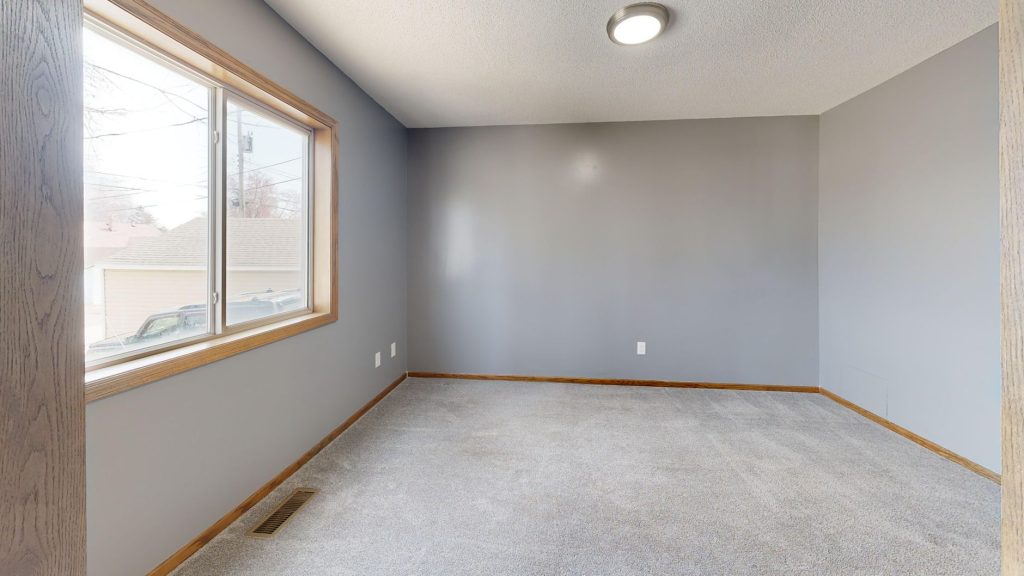
The gap between what a buyer imagined and what they actually got usually reveals itself on a single afternoon: the day the moving truck backs into the driveway. That is when a sofa refuses to clear a doorway, a bedroom that looked spacious in the listing swallows a queen bed and leaves no room to walk, and a homeowner stands in the hallway wondering whether they misjudged the whole place. The consequence comes fast. Understanding why it happens takes a little more stepping back.
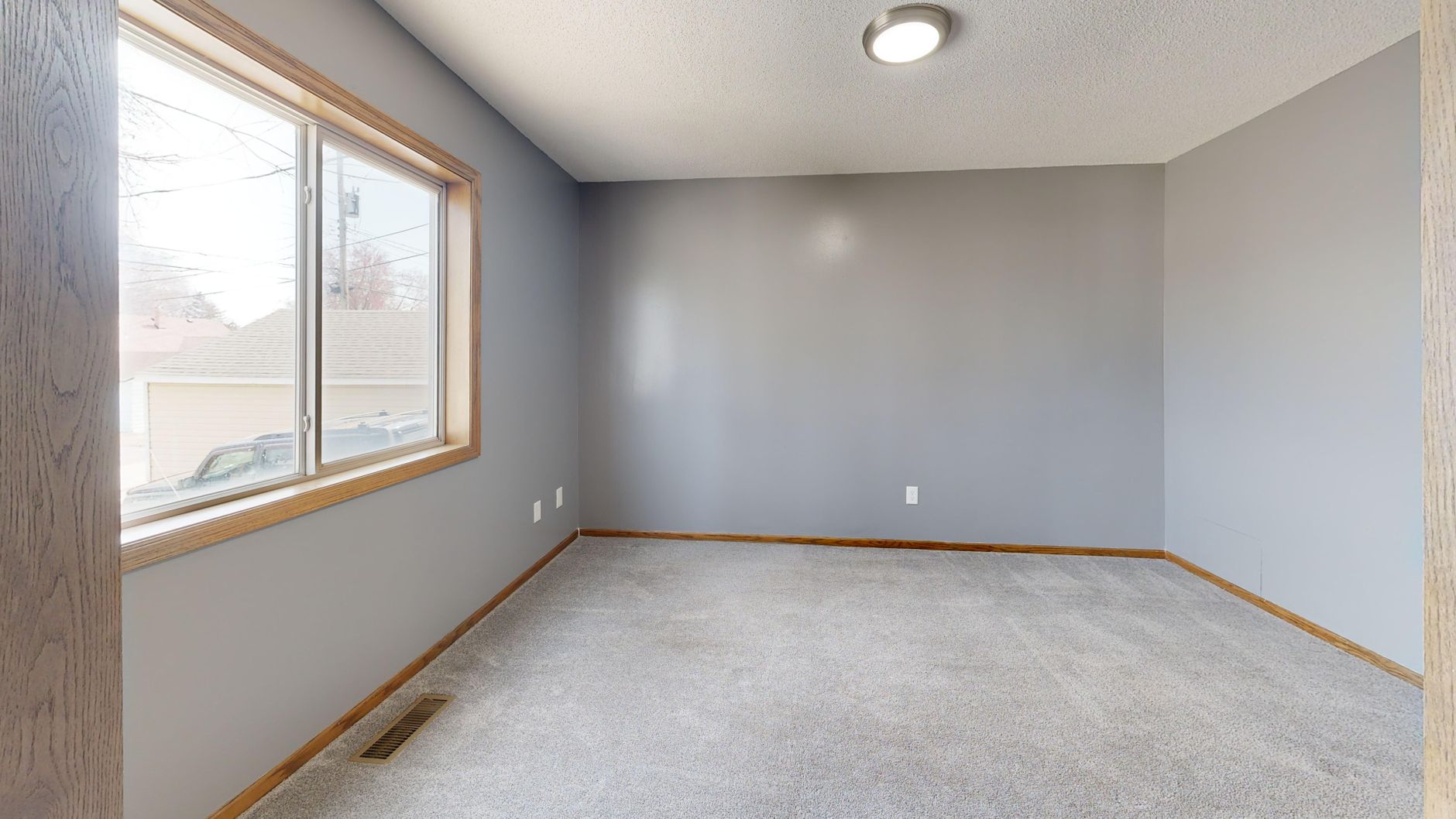
Empty-room photos are seductive because they hide almost everything a buyer needs to know about how a home performs. A bare floor stretches wide. Light bounces off nothing. There is no context for scale, no clutter to trip over, no reminder that furniture, lamps, storage, and daily life all have to fit somewhere. Buying on that alone means buying a promise the pictures never actually made.
What happens the first time you walk in with a moving truck
The keys are yours, the movers are on the clock, and reality arrives in cardboard. This is often the first moment a buyer sees the home occupied by anything at all. Doorways get measured with a shoulder and a grunt. A dining set that seemed modest sprawls across a room that photographed as generous. The excitement is real, but so is the recalculation happening in the back of your mind as box after box competes for space that looked infinite when it was empty.
The rooms that feel smaller than the listing promised
Wide-angle lenses do quiet work. A room shot from the corner with a wide lens can appear a third larger than it lives. Once your belongings arrive, the walls seem to close in, not because anything changed, but because you finally have a reference point. In warmer parts of the region, where open layouts and big windows are selling points, that distortion is easy to fall for because the emptiness reads as airy rather than merely bare.
If your sofa doesn’t fit, what then?
Some furniture simply will not make the turn. A sectional that lived happily in your last place may not clear a stairwell or a tight entry. Then you are choosing: sell it, store it, or start shopping again on top of everything else you just spent. None of that showed up in the listing, because the listing showed a room with nothing in it to argue with.
Hidden costs that surface after the empty pictures fade
Bare walls and floors also hide wear, mismatched paint patches, and awkward outlet placement you only notice when you try to arrange a room around them. Buyers frequently discover they need new furniture sized to the space, window treatments the seller took, and small fixes the emptiness camouflaged. A careful buyer leans on a knowledgeable Real Estate Agent to flag these gaps before closing, because an experienced eye reads an empty room as a set of questions rather than a finished picture. Skip that, and the costs land after the deal is done.
How echoing spaces reshape your sense of a new home
There is an emotional cost too. An empty house echoes. Footsteps carry, voices bounce, and the silence can feel less like fresh possibility and more like uncertainty about whether you chose well. That unsettled feeling often lingers until the space fills in and starts to sound and feel lived-in. It fades, but it colors those first weeks in a home you bought partly on faith.
Could a quick agent walkthrough have changed everything?
Most of these surprises are avoidable. A single in-person visit, tape measure in hand, tells you more than a dozen polished photos. Bringing dimensions of your largest pieces, checking doorways and turns, and simply standing in each room to feel its true size reframes the entire purchase. The buyers who do this rarely get ambushed on moving day.
Living with the choices a bare listing hid from you
In the end, you adapt. You rearrange, you replace, you learn the home’s real proportions and make peace with them. The house becomes yours regardless. But the smoothest version of that story belongs to the buyer who understood, before signing, that an empty room is not a blank promise but a puzzle waiting for furniture to test it.