

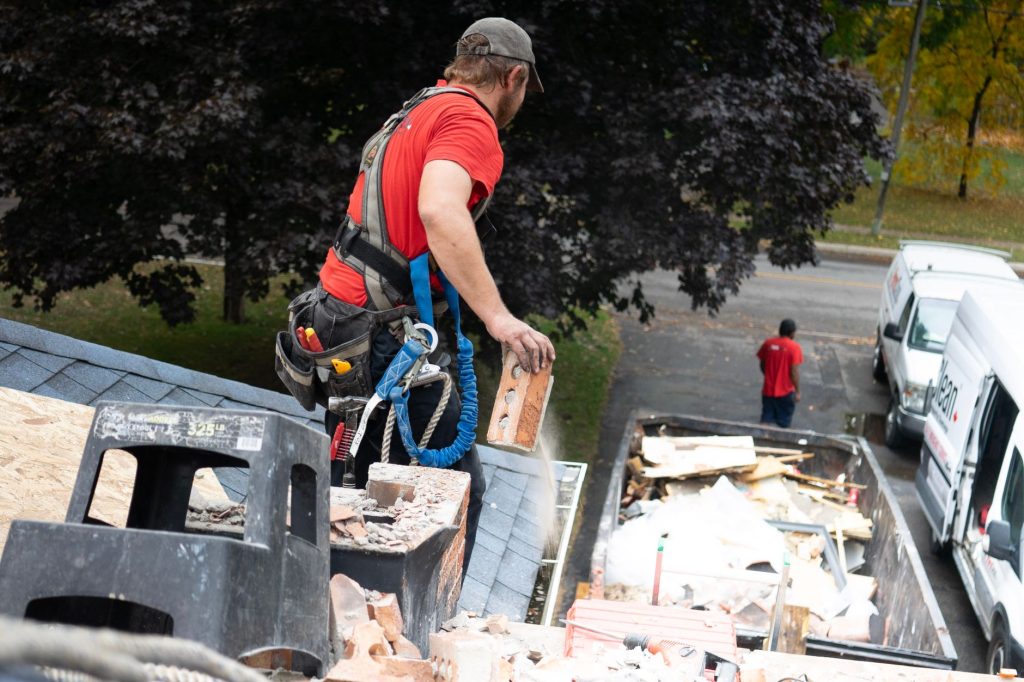
The truck with out-of-state plates that parks at the corner of your street the morning after a hailstorm is not there by accident. Within hours of a hard-hitting storm rolling through Warner Robins, clipboards and door knocks appear in the hardest-hit subdivisions. Some of those knocks come from people who will do right by you. Others come from crews who will be three counties away by the time your new shingles start curling. Knowing the difference before you shake a hand is the single best protection a homeowner has.
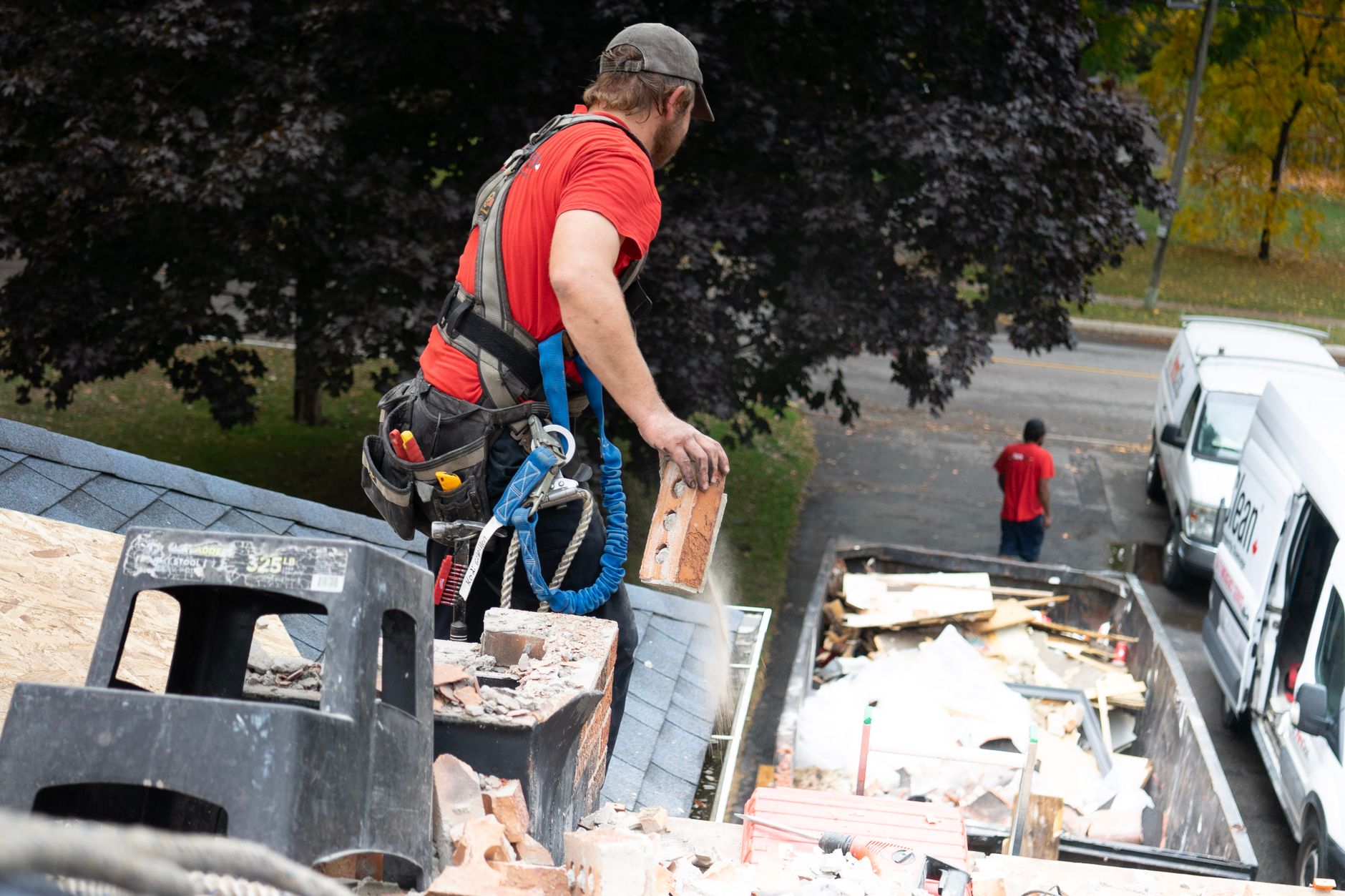
The storm-chaser playbook: how out-of-town crews target Warner Robins neighborhoods after bad weather
Storm-chasing operations follow weather reports the way tour buses follow a schedule. When hail or straight-line winds hit Middle Georgia, they move in fast, rent a local phone number, and canvass door to door. The pitch is nearly always the same: they “noticed damage from the road,” they can “handle the whole insurance thing for you,” and they can start “first thing tomorrow because a crew is already in the area.”
The urgency is the product. These crews profit on volume and speed, not on standing behind their work. They often subcontract the actual labor to whoever is available, collect payment, and leave. When a leak shows up the following spring, the number on the business card rings to a disconnected line, and the company name has changed for the next storm season.
License, insurance, and local roots: the credentials that separate real contractors from opportunists
A legitimate contractor can hand you documentation without hesitation. Georgia doesn’t require a statewide residential roofing license the way some states do, which makes local business licensing, verifiable liability insurance, and workers’ compensation coverage even more important to confirm. Ask for a certificate of insurance and call the carrier listed to make sure it’s active. If a crew is uninsured and someone is hurt on your roof, that liability can land on you.
Local roots matter just as much as paperwork. A company with a physical address in Houston County, a track record of finished jobs you can drive past, and a reputation among your neighbors is not going to vanish. Working with an established, trusted roofing company means the people who install your roof are the same people you can find months later if something needs attention.
Red flags in a roofing bid: high-pressure tactics, cash-only deals, and disappearing deposits
Certain patterns should stop a conversation cold. Be wary of anyone who insists you sign today or lose the price, who asks for a large cash deposit up front, or who wants to be paid before materials arrive. Watch for offers to “waive your deductible” or to inflate the claim, both of which can amount to insurance fraud that you get pulled into.
A vague, handwritten estimate with no line items is another warning sign. So is a contractor who discourages you from getting a second opinion or who won’t put promises in writing. Reputable roofers expect you to compare bids and take a day to think it over.
Questions to ask before you sign anything – and the answers a trusted roofing company will give freely
A few direct questions reveal a lot. Ask how long the company has operated in the area and for local references. Ask whether the crews are employees or subcontractors, what warranty covers both materials and workmanship, and how they handle problems after the job is done. Ask for a written scope that names the products, the timeline, and the total cost.
An honest contractor answers all of this plainly and offers a free inspection with a written report rather than a rushed verbal verdict. Evasive or annoyed responses tell you what the fine print never will.
Why a local reputation and a workmanship warranty protect you long after the crew leaves
Shingles carry manufacturer warranties, but those cover defects in the product, not mistakes in the installation. A workmanship warranty is what protects you when a valley leaks or flashing pulls loose because of how the roof was put on. That guarantee is only as good as the company standing behind it, which is why a business with deep local ties and a name to protect is worth more than the lowest bid from a stranger.
The morning after a storm, take a breath before you sign anything. The right roofer will still be there next week, next season, and years from now when you need them. The storm-chaser is counting on you not to wait that long.