

Printing has been one of the most transformative inventions in human history. From its earliest origins in ancient civilizations to the sophisticated techniques used today, printing has revolutionized the way information is shared and preserved. The earliest forms of printing can be traced back to woodblock printing in China, where text and images were carved into wooden blocks and then pressed onto paper. This innovation allowed for the reproduction of texts on a scale previously unimaginable, laying the foundation for the dissemination of knowledge. Printing not only made books and documents more accessible but also played a critical role in cultural and educational development across the world.
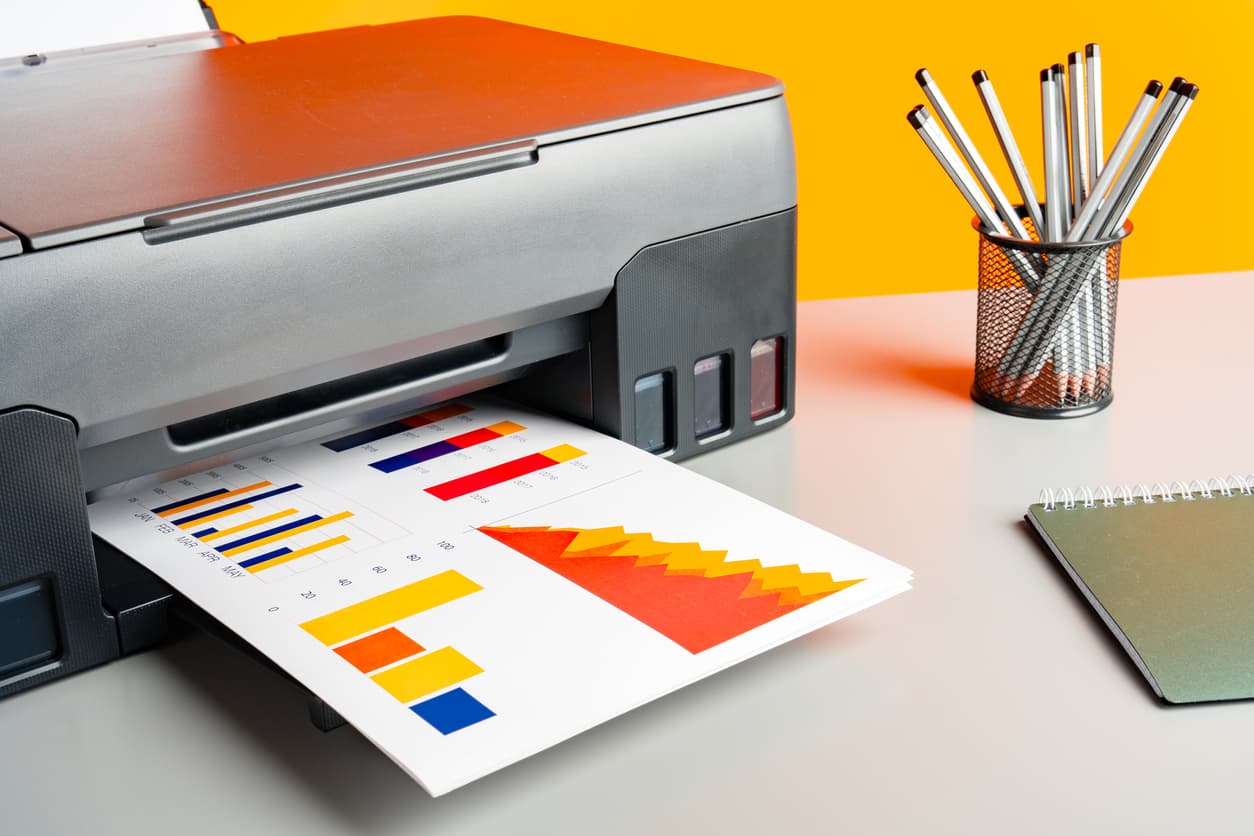
The significance of printing grew dramatically with the invention of the movable type by Johannes Gutenberg in the fifteenth century. This advancement allowed for faster and more efficient production of written materials, significantly reducing the cost of books. With printing, literature, scientific works, and religious texts became widely available to a larger audience, fostering literacy and intellectual growth. The ability to replicate information quickly and accurately meant that knowledge could spread beyond localized regions, influencing societies and shaping the course of history. Today, printing continues to be essential in both educational and professional settings, supporting learning, communication, and creative expression.
In the modern era, printing has diversified into various techniques, each serving distinct purposes. Offset printing, digital printing, and 3D printing are among the most widely used methods today. Offset printing remains popular for producing high-quality materials in bulk, including newspapers, magazines, and promotional materials. Digital printing offers flexibility and speed, making it ideal for smaller runs or customized projects. Meanwhile, 3D printing has opened new possibilities in manufacturing, medicine, and design, enabling the creation of complex structures layer by layer. Regardless of the method, printing remains central to both commercial and personal applications, highlighting its ongoing relevance in everyday life.
Printing has also played a crucial role in preserving cultural heritage and history. Historical documents, manuscripts, and rare books have been reproduced and safeguarded through printing techniques, ensuring that future generations can access and learn from them. Museums, libraries, and archives rely heavily on advanced printing methods to reproduce valuable texts and artworks, allowing broader access while protecting original artifacts. In this way, printing acts as a bridge between the past and the present, allowing societies to retain and share their collective knowledge. The impact of printing on historical preservation underscores its significance beyond mere communication, emphasizing its role in education and cultural continuity.
The environmental implications of printing have become an important consideration in recent years. Traditional printing methods often involve the use of large amounts of paper, ink, and chemicals, raising concerns about sustainability. As a response, eco-friendly printing practices have been developed, including the use of recycled paper, soy-based inks, and digital alternatives that reduce waste. Sustainable printing initiatives aim to balance the need for information dissemination with environmental responsibility. The evolution of printing in this context reflects society’s growing awareness of ecological issues, demonstrating that printing can adapt to meet both practical and ethical demands.
Technological advancements continue to shape the future of printing. Innovations such as high-speed digital presses, 3D printing for medical implants, and on-demand publishing are expanding the possibilities of what printing can achieve. The integration of printing with digital tools allows for greater customization, efficiency, and accessibility, transforming industries ranging from education to healthcare. As printing technology evolves, it maintains its foundational role in human communication while also opening doors to new forms of creativity and problem-solving. The ongoing development of printing methods illustrates its capacity to adapt and remain essential in a rapidly changing world.
Printing also influences the economy by supporting industries such as publishing, advertising, packaging, and manufacturing. The production of printed materials generates employment, stimulates creativity, and facilitates commerce. Businesses rely on printing for branding, marketing, and product development, highlighting its practical value beyond knowledge sharing. The continued relevance of printing in economic activities demonstrates that it is not merely a historical artifact but a living, dynamic tool that drives innovation and supports daily operations across sectors.
In conclusion, printing has evolved from simple carved blocks to advanced digital and 3D technologies, leaving an indelible mark on human civilization. It has democratized knowledge, preserved culture, and enabled innovation across countless fields. Printing continues to adapt to technological and environmental challenges, remaining a vital component of education, communication, and commerce. Its historical significance, combined with ongoing advancements, ensures that printing will remain a cornerstone of society for generations to come. The enduring influence of printing highlights its unique power to connect people, preserve information, and inspire creativity worldwide.